
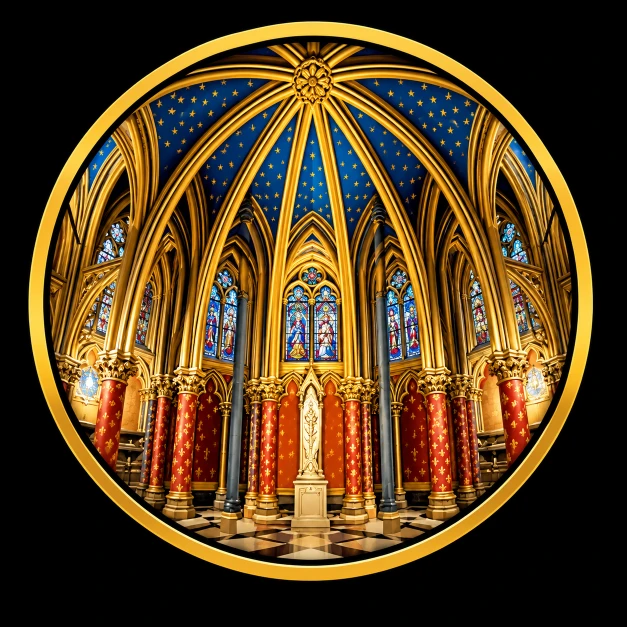
Paris Travel Guide: Best Places to Visit, Things to Do and Travel Tips
Paris, the capital of France, is known for its historic landmarks, world-famous museums, distinctive neighbourhoods and celebrated food culture. From the Eiffel Tower and the Louvre Museum to the quiet streets of Île Saint-Louis, the city offers experiences for visitors with different interests and budgets.
Planning a trip to Paris involves more than deciding which monuments to photograph. You may want to explore historic districts, discover French cuisine, attend a cultural event, walk beside the Seine or find lesser-known places away from the busiest tourist areas.
This Paris travel guide explains what to see, what to do, how to get around and how to organise your visit. It also shows you where to check official information before booking attractions or planning around seasonal events.
What Is Paris Famous For?
Paris is famous for its architecture, art, fashion, gastronomy and cultural heritage. Its streets contain historic monuments, museums, churches, gardens and neighbourhoods that reflect different periods of French history.
The Eiffel Tower is one of the city’s most recognisable landmarks, while the Louvre houses an internationally renowned art collection. Notre-Dame Cathedral, the Arc de Triomphe and the Champs-Élysées are other major attractions.
However, Paris is not defined by monuments alone. Its cafés, bakeries, independent shops, markets and riverside walks are also part of the visitor experience.
The city is particularly appealing to travellers who enjoy combining several activities in one trip. You might spend the morning exploring a museum, walk through a historic neighbourhood in the afternoon and enjoy French food in the evening.
Best Places to Visit in Paris
also follow the latest updates

Eiffel Tower
The Eiffel Tower is one of the first places many travellers want to see in Paris. Built for the 1889 World’s Fair, it remains an important symbol of the French capital.
Visitors can admire the structure from nearby public spaces or purchase tickets for access to its viewing levels. The views offer a different perspective on the city’s rooftops, streets and monuments.
If you plan to go up the tower, check ticket availability, prices and opening information on the official website before your visit.
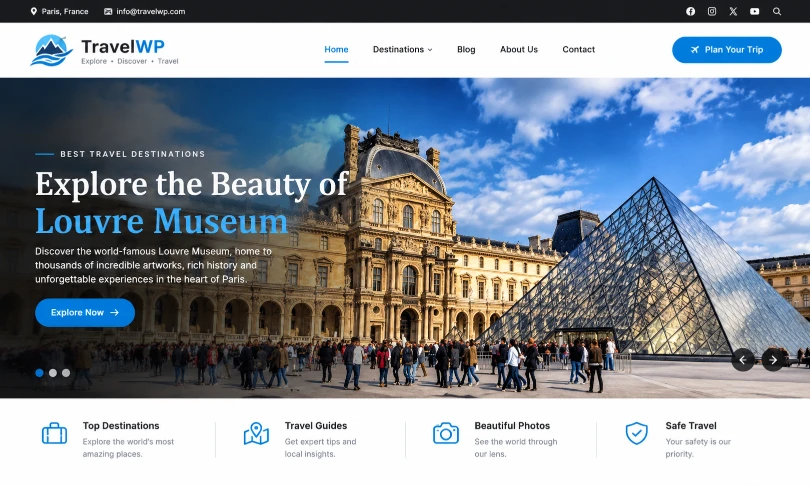
Louvre Museum
The Louvre Museum is a major destination for art and history enthusiasts. Its extensive collections include paintings, sculptures and historical objects from different cultures and periods.
The Mona Lisa is among its best-known works, but the museum contains many other collections worth exploring.
Because the building and collections are extensive, choose a few priorities instead of trying to see everything in one visit. Check the museum’s official visitor information for current opening days, admission rules and ticket availability.
Notre-Dame Cathedral
Notre-Dame Cathedral stands on Île de la Cité, a historic island in the Seine River. Its Gothic architecture and long history make it one of Paris’s most significant landmarks.
Visitors can explore the surrounding historic district and admire the cathedral’s exterior. Access arrangements, visitor requirements and opening times should be checked through the official cathedral website before travelling.
Arc de Triomphe and the Champs-Élysées
The Arc de Triomphe stands at a major junction in central Paris and commemorates those who fought and died for France. Visitors can admire the monument or check official ticket information for rooftop access.
Nearby, the Champs-Élysées is known for shopping, restaurants and its connection to important Parisian landmarks.
These attractions can be combined in one outing, although visitors should allow sufficient time for walking, photographs and any booked visits.
Montmartre and Sacré-Cœur
Montmartre offers a different atmosphere from the grand avenues of central Paris. Its sloping streets, cafés, small shops and artistic history make it a popular area to explore on foot.
The Basilica of Sacré-Cœur stands on the hill and offers broad views over Paris. Nearby streets provide opportunities to discover local businesses and enjoy a slower sightseeing experience.
Comfortable footwear is recommended because the neighbourhood includes hills and steps.
Île Saint-Louis
Île Saint-Louis is a historic island in the Seine, known for its residential architecture, elegant townhouses and compact streets.
Rue Saint-Louis-en-l’Île is a natural place to begin exploring. The surrounding quays offer riverside views, while the island’s historic buildings provide a different perspective on Parisian life.
Visitors can also explore Saint-Louis-en-l’Île Church and discover cafés and local food businesses. The island is close to Île de la Cité, making it easy to include both areas in one walking itinerary.
Musée d’Orsay
Musée d’Orsay is housed in a former railway station and is particularly well known for its Impressionist and Post-Impressionist collections.
It is a strong choice for visitors interested in painting and European art. Rather than treating every museum as an essential stop, select those that match your interests and leave time to enjoy the surrounding neighbourhood.
Check the official museum website for current exhibitions, ticket availability and opening schedules.
The Seine River
The Seine is central to the geography and visual character of Paris. Walking along its banks offers views of bridges, monuments and historic buildings.
A sightseeing cruise provides another way to experience the city. Different operators offer different routes and experiences, so compare departure points, prices, schedules and accessibility before booking.
Best Things to Do in Paris
Paris offers a range of activities beyond its major landmarks. The right choices depend on your interests, travel dates and how much time you have.
Explore Parisian neighbourhoods
Choose a neighbourhood and explore it at a comfortable pace. Montmartre is known for its artistic history, while Île Saint-Louis offers historic architecture and riverside scenery.
Other areas provide different combinations of food, shopping, culture and local life. Researching neighbourhoods before your visit can help you create an itinerary that feels less rushed.
Discover French food.
Food is an important part of the Paris experience. You can try croissants and baguettes from bakeries, sample crêpes, explore traditional bistros or visit markets.
Prices vary considerably, so check menus before ordering if you are travelling on a budget.
Visit museums and exhibitions.
Paris has museums covering art, history, fashion, science and other subjects. Temporary exhibitions can also provide a reason to visit places you might otherwise overlook.
For current events, use the official Paris Tourist Office events and activities guide. Its listings change, so confirm dates, locations and booking requirements before making plans.
Walk beside the Seine.
A riverside walk can fit between major attractions or become an activity in its own right. It allows you to appreciate Parisian architecture without needing a ticket for every stop.
Choose a route that matches your available time and check access conditions if you have mobility requirements.
Explore shopping streets and local markets.
Paris offers major department stores, fashion boutiques, independent shops and markets. If shopping is a priority, identify the districts and businesses that match your interests rather than trying to cover the entire city.
Look for seasonal activities
Exhibitions, festivals, performances and special cultural programmes vary throughout the year. Some are temporary, so a current events listing can be more useful than a general list of attractions.
The Paris Tourist Office and France’s official Paris destination guide are useful starting points for finding further ideas.
Best Time to Visit Paris
There is no single best time for every traveller. Weather, prices, crowd levels and seasonal activities all affect the experience.
Spring: March to May
Spring can be pleasant for exploring parks, gardens and neighbourhoods. Temperatures vary, so prepare for changing weather and possible rain.
Summer: June to August
Summer brings longer daylight hours and more opportunities for outdoor activities. However, popular attractions may be busy, and warm weather can make long walking days less comfortable.
Autumn: September to November
Autumn can be a good period for museums, neighbourhood walks and cultural activities. Early autumn may still be busy, while temperatures generally become cooler as the season progresses.
Winter: December to February
Winter is suitable for visitors who want to focus on indoor attractions, museums, cafés and seasonal activities. Days are shorter, and warm clothing is advisable.
Before selecting travel dates, compare accommodation costs, weather expectations and the attractions you most want to visit.
How to Get Around Paris
Paris has public transport options, including the Métro, RER trains, buses and trams. Walking is also useful for exploring individual neighbourhoods and visiting nearby landmarks.
Use public transport for longer journeys.
The metro is convenient for many trips around the city. RER trains can be useful for certain longer journeys and destinations outside central Paris.
Check official transport information for current routes, ticket prices and service updates.
Walk when attractions are close together.
Walking helps you discover smaller streets, shops and architecture that you might miss while travelling between stations.
However, Paris is larger than it may appear on a map. Check distances before planning several stops on the same day.
Plan your airport transfer.
Paris is served by major airports, including Charles de Gaulle and Orly. Compare available public transport and transfer options based on your arrival time, luggage and accommodation location.
Check accessibility requirements
If you use a wheelchair, have limited mobility or are travelling with a pushchair, check station access and attraction facilities in advance. Accessibility can vary by location.
Is Paris Expensive to Visit?
Paris can be expensive, particularly when accommodation, restaurant meals and paid attractions are combined. Your overall budget depends on your travel dates, accommodation choices and planned activities.
Accommodation is often a major expense. Compare the total cost of a hotel and its transport connections rather than looking only at the nightly rate.
You can manage spending by mixing paid attractions with walks, public gardens, neighbourhood exploration and other activities that do not require an admission ticket.
Ways to save money in Paris
- Compare accommodation prices and locations before booking.
- Check official ticket prices and any eligible discounts.
- Plan museum visits around your interests.
- Use public transport for longer journeys.
- Compare restaurant menus before ordering.
- Explore neighbourhoods and public spaces on foot.
- Set aside a small amount for unexpected expenses.
Avoid assuming that every attraction requires a paid ticket or that a particular travel pass will automatically save money. Compare the actual activities you plan to do with the current pass conditions and prices.
A Simple Three-Day Paris Itinerary
A three-day visit can provide a useful introduction to Paris if you group nearby activities together.
| Day | Suggested activities |
|---|---|
| Day 1 | Eiffel Tower, nearby viewpoints and a walk beside the Seine |
| Day 2 | Louvre Museum, central Paris and the Île de la Cité area |
| Day 3 | Montmartre, Sacré-Cœur and a neighbourhood walk |
This is a flexible outline, not a fixed schedule. Confirm museum opening days, ticket times and travel distances before booking.
If you prefer art, allocate more time to museums. If food and local culture matter more, spend longer exploring neighbourhoods and cafés.
How to Plan Your Paris Trip
Before travelling, make a short checklist of the decisions that affect your visit most.
- Choose your dates. Consider weather, accommodation prices and seasonal events.
- Select your main attractions. Prioritize the places that interest you rather than trying to see everything.
- Group nearby destinations. This reduces unnecessary travel across the city.
- Check official opening information. Confirm schedules, admission prices and booking requirements.
- Plan transport. Research airport transfers and local public transport.
- Set a realistic budget. Include accommodation, meals, transport, attractions and a contingency.
- Keep some free time. A flexible schedule leaves room for unexpected discoveries and changes.
For additional destination ideas, France’s official tourism guide offers information about Paris’s monuments, neighbourhoods, cultural heritage and food experiences.
Frequently Asked Questions About Paris
What is Paris most famous for?
Paris is known for the Eiffel Tower, Louvre Museum, Notre-Dame Cathedral, historic architecture, fashion, French cuisine and cultural attractions.
How many days should you spend in Paris?
Three days can provide an introduction to the major landmarks. Four or five days allow more time for museums, neighbourhoods and activities beyond the most familiar tourist sites.
What are the best places to visit in Paris?
Popular choices include the Eiffel Tower, Louvre Museum, Notre-Dame Cathedral, Arc de Triomphe, Montmartre, Musée d’Orsay and Île Saint-Louis.
What is the best time to visit Paris?
Spring and early autumn are popular for sightseeing, but the best time depends on your budget, weather preferences and the events you want to attend.
Is Paris suitable for budget travellers?
Yes. Budget-conscious visitors can compare accommodation, use public transport, explore neighbourhoods on foot and choose paid attractions carefully.
How can I find current events in Paris?
Check the official Paris Tourist Office’s current events guide and verify each event’s date, venue, ticket availability and booking conditions.
Is public transport available in Paris?
Yes. The city has Métro, RER, bus and tram services. Check current transport information before travelling.
Is Île Saint-Louis worth visiting?
Yes, particularly if you enjoy historic architecture, riverside walks, cafés and quieter streets. It can also be combined with nearby Île de la Cité.
Final Thoughts
Paris offers much more than a collection of famous landmarks. Its museums, historic neighbourhoods, food culture, riverside walks and changing cultural programme provide different ways to experience the French capital.
The best itinerary depends on your interests and available time. Choose a few major attractions, explore the neighbourhoods around them and confirm practical details before travelling.
For a more rewarding visit, combine well-known sights with time to discover Paris at your own pace. Use official tourism and attraction websites to check current information, especially when planning around temporary exhibitions and events.