
Mexico City Zócalo: Location, History, Famous Buildings and Travel Guide
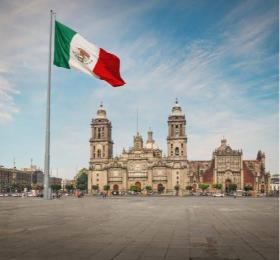
The Mexico City Zócalo is one of the most important historical landmarks in Mexico. Located in the heart of Mexico City, the capital of Mexico, this famous public square is surrounded by historic buildings, religious landmarks, government offices, and cultural attractions. The photograph shows the Metropolitan Cathedral beside the large central plaza, a place that connects Mexico’s ancient past with its modern identity.
Whether you are planning a trip, researching Mexican history, or learning about Mexique, the French name for Mexico, the Zócalo, offers a fascinating introduction to the country’s culture, architecture, and traditions.
Where Is the Mexico City Zócalo Located?
Latest updates around the world
The Mexico City Zócalo is located in the Historic Centre of Mexico City, Mexico, in North America. Its official name is Plaza de la Constitución, although residents and visitors commonly call it the Zócalo.
The square occupies a central position in the capital and is surrounded by several important landmarks. The Metropolitan Cathedral stands on its northern side, while the National Palace is located to the east. Historic buildings and commercial streets line the other sides of the plaza.
Here are the essential details for visitors:
- Country: Mexico
- Capital: Mexico City
- Official square name: Plaza de la Constitución
- Popular name: Zócalo
- Area: Historic Center, Cuauhtémoc borough
- Main landmark in the photograph: Metropolitan Cathedral of Mexico City
- Nearby archaeological attraction: Templo Mayor
- Main language: Spanish
- Currency: Mexican peso (MXN)
The Zócalo is a public square within Mexico City, not a separate town or country.
What Is the Mexico City Zócalo Famous For?
The Zócalo is famous for its history, impressive architecture, and role in Mexican public life. It has served as a central gathering place since the era of ancient Tenochtitlan and continues to host celebrations, concerts, cultural events, and public demonstrations.
Visitors can admire historic buildings, explore nearby archaeological remains, take photographs, and discover the surrounding streets. The square is also an important place for national ceremonies, including celebrations associated with Mexican Independence Day.
Its combination of historical significance and modern city life makes it a useful starting point for exploring the capital.
What Can You See in the Photograph?
Metropolitan Cathedral of Mexico City
The large church on the left side of the photograph is the Metropolitan Cathedral of Mexico City. Its stone façade, tall bell towers, central dome, and elaborate architectural details make it one of the most recognizable landmarks in the historic center.
Construction began in the 16th century and continued over several centuries. As a result, the cathedral reflects architectural influences that developed during different periods, including Baroque and Neoclassical styles.
Visitors can admire its exterior and, when access permits, explore its religious artwork, chapels, and historic interior. Because it remains an active place of worship, visitors should respect services and follow posted rules.
The Zócalo Square
The large open space in the photograph is the Zócalo itself. It provides room for public gatherings, ceremonies, festivals, and other events.
The square’s appearance can change throughout the year. At certain times, it may look relatively open, while major celebrations can bring temporary stages, decorations, and large crowds.
The National Palace
The National Palace stands on the eastern side of the square. It is an important government building associated with Mexico’s political history.
The complex has a long historical background, and parts of it are known for murals by Mexican artist Diego Rivera. These artworks depict significant episodes in the country’s history.
Public access can be restricted or subject to specific arrangements, so check official information before planning a visit.
History of the Zócalo
Before the Spanish Conquest
The Zócalo occupies an area associated with Tenochtitlan, the capital of the Mexica civilisation. Before Spanish rule, the city was a major centre of political power, trade, religious ceremonies, and urban life.
The central ceremonial district included the Templo Mayor, an important religious complex. Archaeological discoveries in the surrounding area have helped researchers understand the city’s structure and the civilisation that developed there.
During the Colonial Period
After Spanish forces conquered Tenochtitlan in the 16th century, the city was transformed under colonial rule. The central square retained its importance, while new religious and government buildings reshaped the surrounding area.
The Metropolitan Cathedral became one of the defining landmarks of the developing colonial city. The square remained a center for political announcements, public ceremonies, and religious events.
After Mexican Independence
Mexico achieved independence from Spain in 1821. The central square continued to serve as a place for public gatherings and national celebrations.
The popular name ‘Zócalo’ is associated with a monument planned during the 19th century to commemorate Mexican independence. The monument’s base was completed, but the full monument was not built. Over time, the word zócalo, meaning base or plinth, became the common name for the entire square. <Cite refs={[“turn944553search5″,”turn944553search9”]}/>
Today, the square remains an important symbol of Mexico’s history and national identity.
Best Things to Do Near the Mexico City Zócalo
Visitors can explore several attractions within walking distance of the square.
Explore the Metropolitan Cathedral.
Start with the cathedral to appreciate its architecture and historical importance. If the building is open to visitors, you may also be able to explore its interior.
Visit Templo Mayor
The Templo Mayor archaeological site and museum reveal the history of ancient Tenochtitlan. Visitors can learn about Mexica religious practices, archaeological discoveries, and the remains of the former ceremonial center.
The National Institute of Anthropology and History lists the museum’s normal visiting hours as Tuesday through Sunday, 9 a.m. to 5 p.m. Admission prices and eligibility for discounts can change, so check the official website before travelling. <Cite refs=
See the National Palace from the Outside.
The National Palace is an important landmark to include in a walk around the square. Check official access arrangements if you want to visit its interior or see the murals.
Walk Through the Historic Centre
Explore nearby streets to discover historic façades, traditional businesses, cafés, restaurants, and other cultural sites. Walking is one of the easiest ways to appreciate the architecture around the central plaza.
Take Photographs
The cathedral, open square, and surrounding historic buildings provide many photography opportunities. Be respectful of religious services, public restrictions, and people who do not wish to be photographed.
How to Reach the Mexico City Zócalo
One convenient public transportation option is Zócalo/Tenochtitlan Metro Station on Line 2. The station is close to the square and the nearby historic attractions.
Depending on your starting point, you can also use buses, taxis, or ride-hailing services. Traffic, public events, and temporary road closures may affect travel times.
If you are arriving from Mexico City International Airport, check the current route and travel time before departure. Allow extra time if your journey coincides with a major public event.
Best Time to Visit the Zócalo
The best time depends on your interests and schedule.
- Morning: A useful option for walking around the square and viewing the architecture.
- Afternoon: Suitable for combining the plaza with museums and archaeological attractions.
- Evening: Offers a different atmosphere as the surrounding historic buildings become illuminated, although access and events vary.
Weather and public celebrations can affect the experience. Check the forecast and local announcements before travelling.
Practical Travel Tips for Visitors
A little planning can make a visit easier.
- Wear comfortable shoes for walking around the historic center.
- Keep your phone, wallet, and other valuables secure in crowded places.
- Check current opening hours and ticket prices for museums and historic buildings.
- Carry some Mexican pesos for purchases where cash may be useful.
- Learn a few basic Spanish phrases for everyday interactions.
- Follow instructions from local authorities during festivals or demonstrations.
- Respect the cathedral’s religious activities and photography rules.
- Confirm visa and entry requirements according to your nationality before travelling to Mexico.
Is the Mexico City Zócalo Worth Visiting?
The Zócalo is particularly interesting for visitors who enjoy history, architecture, culture, and urban sightseeing. Its central location allows travellers to explore several landmarks without needing to travel far between them.
It also provides a useful introduction to Mexico City before exploring other parts of the capital. Visitors who prefer beaches or outdoor adventures may want to include other destinations in their itinerary, but the Zócalo offers a different perspective on the country’s history and culture.
Frequently Asked Questions
Which country does the Zócalo belong to?
The Zócalo belongs to Mexico. It is located in Mexico City, the country’s capital.
What is the official name of the Zócalo?
Its official name is Plaza de la Constitución. The name Zócalo is the popular name used by residents and visitors.
What is the church shown in the photograph?
The church is the Metropolitan Cathedral of Mexico City, a historic religious landmark on the northern side of the square.
Can visitors enter the Zócalo for free?
The public square is generally accessible without a standard entrance ticket, but events, security measures, or temporary closures can affect access. Nearby museums and attractions may charge admission.
How long should visitors spend at the Zócalo?
Allow around one to three hours to explore the square and some nearby landmarks. If you plan to visit Templo Mayor or other museums, set aside additional time.
Is Mexique another name for Mexico?
Yes. Mexique is the French name for Mexico. In English-language travel articles, Mexico is the standard spelling.
Final Thoughts
The Mexico City Zócalo is much more than an open square. It is a place where Mexico’s ancient history, colonial architecture, government, religion, and contemporary public life meet.
From the Metropolitan Cathedral in the photograph to the nearby Templo Mayor archaeological site, the surrounding area offers visitors a meaningful introduction to the capital. For anyone researching Mexique or planning a trip to Mexico, the Zócalo is a valuable place to begin exploring the country’s heritage.