
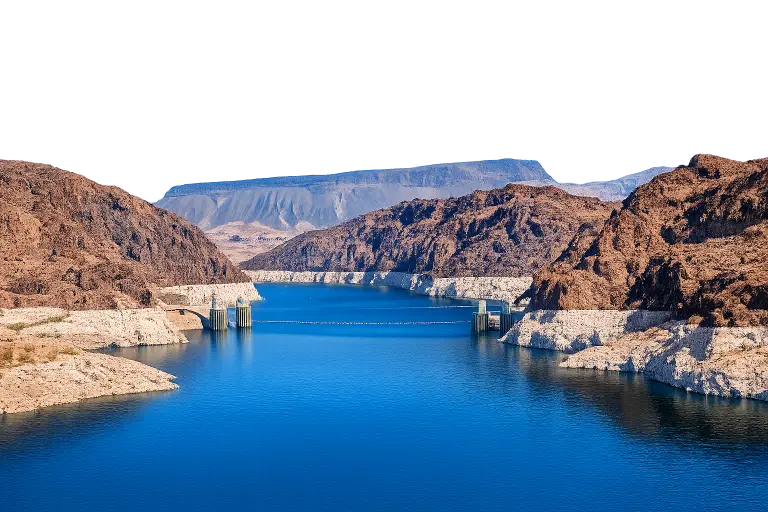
Lake Mead: Best Things to Do Before You Visit
Lake Mead is one of the most important reservoirs in the United States, known for its connection to Hoover Dam, desert scenery, outdoor activities, and role in supplying water to the American Southwest. Located on the Colorado River near Las Vegas, Nevada, Lake Mead attracts visitors interested in boating, fishing, hiking, photography, and American engineering history.
However, Lake Mead is more than a popular recreation destination. Its changing water levels are closely connected to drought conditions, water demand, and the management of the Colorado River. Understanding these changes helps visitors plan their trips and explains why the reservoir receives national attention.
This guide covers Lake Mead water levels, location, history, entrance fees, the best things to do, and essential visitor safety tips, using official sources wherever possible.
Where Is Lake Mead Located?
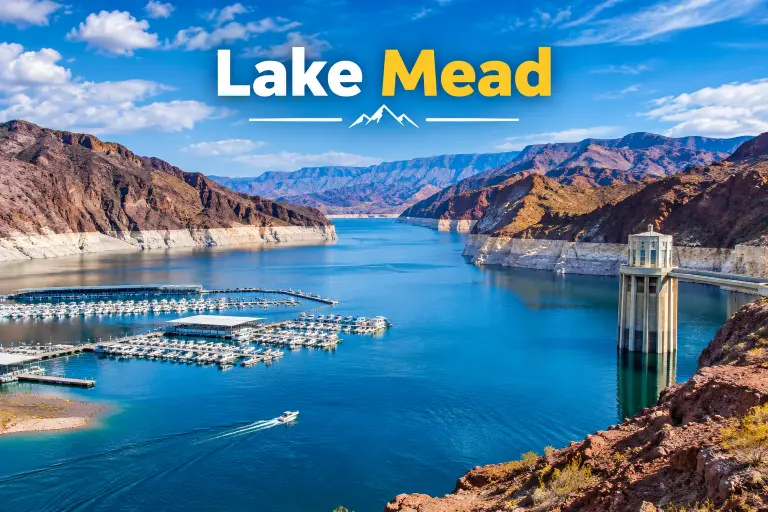
Lake Mead is located on the Colorado River along the Nevada–Arizona border, southeast of Las Vegas. The reservoir forms part of Lake Mead National Recreation Area, managed by the National Park Service.
The surrounding recreation area includes desert mountains, rocky canyons, hiking trails, campgrounds, marinas, scenic roads, and access points for water-based activities. Visitors can explore different sections of the area depending on their interests and the facilities available.
Lake Mead is also close to Hoover Dam and Boulder City, making it a practical destination for people visiting the Las Vegas region. However, driving time depends on the entrance, shoreline destination, traffic, and road conditions.
For directions, park maps, alerts, and visitor information, check the official Lake Mead National Recreation Area website.
What Is Lake Mead Famous For?
Lake Mead is famous for its large water-storage capacity, connection to Hoover Dam, and importance to the Colorado River water system.
At full capacity, Lake Mead is the largest reservoir in the United States by water-storage capacity. Its actual surface area and accessible shoreline change as the reservoir rises or falls, so full-capacity measurements should not be confused with present-day conditions.
Lake Mead is also popular for boating, fishing, kayaking, camping, hiking, and scenic photography. Its combination of open water and rugged desert landscapes gives visitors several ways to explore the region.
Beyond recreation, Lake Mead stores water that supports communities and other users across the American Southwest. This makes the reservoir important to water management, particularly when drought and changing river flows put pressure on available supplies.
Lake Mead Water Levels: Latest Available Information
Lake Mead water levels change as water enters the reservoir, water is released downstream, and evaporation and demand affect storage. Snowpack and runoff across the Colorado River Basin also influence how much water reaches the lake.
The U.S. Bureau of Reclamation’s daily record showed a Lake Mead elevation of 1,037.5 feet above sea level on October 14, 2026. This is a dated observation, not a live measurement. The agency describes its automated hydrologic records as provisional and subject to revision.
The following official readings show the short-term movement recorded during that period:
| Date | Recorded elevation |
|---|---|
| October 9, 2026 | 1,037.6 feet |
| October 10, 2026 | 1,037.7 feet |
| October 11, 2026 | 1,037.7 feet |
| October 12, 2026 | 1,037.7 feet |
| October 13, 2026 | 1,037.6 feet |
| October 14, 2026 | 1,037.5 feet |
Source: U.S. Bureau of Reclamation — Daily Lake Mead records.
These figures show only a short period. They should not be used alone to determine a long-term trend or predict future water levels. Check the official record before publishing an updated reading.
Why Are Lake Mead Water Levels Important?
Lake Mead water levels help water managers understand how much water is stored in the reservoir and how conditions are changing. Elevation is one useful measurement, but storage volume, inflows, releases, and operating rules also matter.
Falling levels can expose more shoreline, affect boat-launch access, and create challenges for marinas and water-supply planning. Recreational facilities may change their operations as access conditions shift.
For visitors, the most practical step is to check the National Park Service’s current conditions and changing lake levels information before setting out.
Why Has Lake Mead Experienced Low Water Levels?
Several factors influence Lake Mead and the wider Colorado River Basin.
- Prolonged dry conditions: Extended drought can reduce water availability across the region.
- Snowpack and runoff: Winter precipitation and spring snowmelt influence the amount of water flowing into the Colorado River system.
- Regional water demand: Cities, farms, and other users depend on Colorado River supplies.
- High temperatures: Hot, dry weather can increase evaporation and put additional pressure on water resources.
- Reservoir operations: Releases, conservation measures, and water-allocation decisions affect the amount of water stored.
These factors interact, so it would be inaccurate to blame every change in Lake Mead water levels on one cause alone.
Lake Mead and Hoover Dam: A Brief History
Lake Mead was created by Hoover Dam on the Colorado River. Construction began in 1931, and the project transformed the river landscape by creating a major reservoir for water storage and river management.
The dam was developed to support flood control, water delivery, and hydroelectric power generation. The reservoir was named after Elwood Mead, who served as commissioner of the U.S. Bureau of Reclamation.
Today, Hoover Dam and Lake Mead remain closely connected. Water stored in the reservoir is managed as part of the wider Colorado River system, which serves multiple communities and competing needs.
Visitors interested in engineering and regional history can combine a visit to the reservoir with a trip to Hoover Dam. Check the dam’s official visitor information before travelling because tour availability and access requirements may change.
7 Best Things to Do at Lake Mead
Lake Mead National Recreation Area offers outdoor activities throughout the year. Your options depend on weather, water levels, access, and the facilities open during your visit.
Go Boating
Boating is one of the best-known activities at Lake Mead. Visitors can explore the water, enjoy views of the desert mountains, and use available marinas and boat-launch facilities.
Before towing a boat to the lake, check launch availability and current boating rules. Changing water levels can affect which ramps are accessible.
Try Fishing
Lake Mead attracts anglers who fish from boats or permitted shoreline locations. Regulations and licence requirements depend on the applicable state rules and the type of fishing activity.
Check the latest requirements before fishing, and follow local restrictions on catch limits and permitted areas.
Explore Desert Hiking Trails
Hiking provides a different view of Lake Mead and the surrounding recreation area. Trails pass through rocky terrain, desert landscapes, and viewpoints that may be missed by visitors who remain near the water.
Carry sufficient drinking water, wear appropriate footwear, and plan hikes around the weather. Extreme heat can make exposed trails dangerous.
Go Kayaking or Canoeing
Kayaking and canoeing allow visitors to explore sections of the water at a slower pace. Conditions can vary, so check launch locations, weather forecasts, water conditions, and safety requirements before starting.
Some trips around the Hoover Dam area require approved operators or special access arrangements. Confirm the details in advance rather than assuming every location is open for independent launching.
5. Stay at a Campground
Camping is an option for visitors who want more time to explore the recreation area. Campgrounds vary in facilities, location, availability, and fees.
Review the National Park Service’s campground information before making plans. Check whether your chosen site requires a reservation and remember that entrance fees may be charged separately from camping fees.
Visit Hoover Dam
Hoover Dam is a major attraction near Lake Mead and provides context for understanding the reservoir’s history and importance. Visitors can learn about the dam’s construction, engineering, and role in managing the Colorado River.
Tour schedules, security requirements, and access can change, so consult official visitor information before arriving.
Enjoy Scenic Drives and Photography
The recreation area includes roads and viewpoints where visitors can see desert mountains, canyons, and sections of the lake. Scenic drives and photography can be suitable alternatives for people who do not plan to boat or hike.
Stay within designated viewing areas and check road conditions before travelling into remote sections of the park.
Lake Mead Entrance Fees and Visitor Costs
Visitors should check entrance fees before travelling to Lake Mead National Recreation Area. According to the National Park Service’s published fee schedule, a standard private-vehicle pass is listed at $25 for one to seven days. A motorcycle pass is listed at $20, while an individual entering on foot or bicycle and aged 16 or older generally pays $15.
An annual Lake Mead entrance pass is listed at $45. Separate fees may apply to motorised vessel use, camping, tours, and other services. A pass for park entry should not automatically be assumed to cover every activity.
The National Park Service states that entrance stations use cashless fee collection, so prepare an accepted electronic payment method.
Because prices, access arrangements, and fee policies can change, verify details on the official Lake Mead fees and passes page before visiting.
Best Time to Visit Lake Mead
Lake Mead can be visited throughout the year, but the best season depends on your preferred activities and tolerance for desert temperatures.
Spring: Spring can offer comfortable conditions for hiking, sightseeing, and exploring the shoreline. Check the forecast because temperatures can still rise quickly.
Summer: Summer is popular for boating and other water-based activities, but extreme heat can make outdoor recreation hazardous. Start early, carry sufficient water, and avoid strenuous activity during the hottest hours.
Autumn: Autumn can be a good time for sightseeing, photography, and hiking, depending on weather and access conditions.
Winter: Winter may offer a quieter experience and opportunities for scenic drives. Temperatures can be cool, particularly in the morning and evening.
No season guarantees ideal conditions. Review weather forecasts, park alerts, and current lake access information before travelling.
Is Lake Mead Safe to Visit?
Lake Mead is a popular recreation destination, but visitors need to prepare for desert weather and open-water conditions.
Follow these practical safety tips:
- Carry enough drinking water for your planned activities.
- Check weather forecasts and official park alerts before leaving.
- Follow boating rules and use appropriate flotation equipment.
- Avoid unstable shorelines and steep banks.
- Follow swimming warnings and designated-area restrictions.
- Check boat-launch access before bringing a boat.
- Tell someone your plans before exploring remote trails or roads.
Extreme heat can be dangerous, even for people who are used to warm weather. Change your plans if conditions become unsafe.
Why Lake Mead Matters to the American Southwest
Lake Mead is an important reservoir in the Colorado River system. Its stored water supports communities and economic activities across a region where supplies are limited and demand is substantial.
The reservoir cannot be understood in isolation. Water inflows, releases, other reservoirs, conservation efforts, regional demand, and operating agreements all influence how the wider system is managed.
Changing Lake Mead water levels are therefore relevant to more than recreation. They help illustrate the challenges water managers face when balancing long-term supplies with changing environmental conditions and competing needs.
Reliable reservoir records and official water-management updates are the best sources for understanding those changes. Visitors and readers should distinguish measured data from forecasts and opinions.
Frequently Asked Questions About Lake Mead
Where is Lake Mead located?
Lake Mead is located on the Colorado River along the Nevada–Arizona border, southeast of Las Vegas, within Lake Mead National Recreation Area.
What is Lake Mead famous for?
Lake Mead is known for Hoover Dam, its water-storage capacity, desert scenery, boating, fishing, hiking, and its role in the Colorado River water system.
What are the current Lake Mead water levels?
Water levels change over time. The Bureau of Reclamation’s daily record showed an elevation of 1,037.5 feet on October 14, 2026. Check its official daily records for the latest available observation.
Why are Lake Mead water levels important?
They help show how much water is stored in the reservoir and inform water-management decisions. They can also affect boat ramps, marinas, and recreational access.
Can you swim in Lake Mead?
Swimming is possible in permitted areas, but visitors should check current conditions, posted warnings, and safety guidance before entering the water.
How much does it cost to visit Lake Mead?
The National Park Service lists a standard private-vehicle pass at $25 for one to seven days. Other entrance-pass options and separate activity fees may apply. Check the official fee page for current details.
What are the best things to do at Lake Mead?
Popular activities include boating, fishing, hiking, kayaking, camping, scenic driving, photography, and visiting Hoover Dam.
Is Lake Mead worth visiting?
Lake Mead can be a rewarding destination for visitors interested in outdoor recreation, desert landscapes, and engineering history. Check weather, access, and water conditions before travelling.
Final Thoughts
Lake Mead combines outdoor recreation, engineering history, and an important role in the Colorado River water system. Its location near Las Vegas makes it accessible to many visitors, while its connection to Hoover Dam explains its continuing importance to water management.
Whether you are researching Lake Mead water levels or planning things to do at the reservoir, use official sources for changing information. Check visitor fees, weather forecasts, launch access, and park alerts before travelling so you can make informed plans.