

AI Detection Tool: Best ChatGPT Detectors, Accuracy, and How to Choose One
An AI detection tool can help students, teachers, writers, and website owners examine content that may have been generated by ChatGPT or another artificial intelligence system. These services have become relevant as AI writing tools are used for assignments, blog posts, business documents, and everyday communication. However, understanding their results is just as important as knowing how to use them.
A detection score does not automatically prove who wrote a document. Different services can assess the same passage differently, and genuine human writing may sometimes be incorrectly classified. This guide explains how an AI Detection Tool works, compares popular options, explores common mistakes, and shows how to use detection results responsibly.
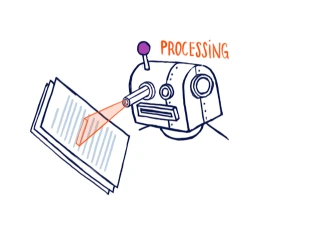
What Is an AI Detection Tool?
An AI detection tool is software that estimates whether written material resembles text produced by artificial intelligence. Depending on the service, it may provide an overall classification, confidence estimates, or highlighted passages that deserve further review.
Students might use one to examine an assignment, while editors may review articles submitted for publication. Website owners can also include detection software in their editorial process when they want additional information about how content was prepared.
Nevertheless, these systems cannot automatically establish authorship. They analyse patterns in language rather than providing direct proof of who created a document. A responsible user treats the result as one piece of evidence instead of making a final decision based on a percentage alone.
How Does an AI Detection Tool Work?
An AI detection tool examines characteristics of writing and compares them with patterns learned from examples. The precise methods vary between providers, so not every service evaluates text in exactly the same way.
AI Detection Tool Analysis of Language Patterns
Word selection, sentence construction, and common expressions can influence a detector’s assessment. Some AI-generated passages contain predictable language patterns, but these characteristics can also appear in ordinary human writing.
For example, a student explaining a scientific concept may use standard terminology and straightforward sentences. A professional writer may follow a familiar structure to make an article easier to understand. Neither situation proves that AI created the content.
AI Detection Tool Analysis of Sentence Variation
Some detectors examine sentence predictability and variation throughout a passage. A report may identify consistent structures or patterns that resemble examples of generated writing.
However, simple vocabulary does not mean that a document is artificial. Technical instructions, educational explanations, and second-language writing can naturally contain predictable sentences. Context is therefore essential when interpreting a result.
AI Detection Tool Analysis of Complete Documents
The amount of submitted text may also affect the assessment. A single sentence offers less information than a complete article with several paragraphs.
Examining a longer document may provide more context, but it does not guarantee a correct classification. Users should pay attention to the limitations described by the provider and avoid treating any result as conclusive proof of authorship.
Best AI Detection Tool Options for Different Needs

Choosing an AI detection tool depends on your purpose, budget, preferred features, and the type of content you review. Four services worth comparing are GPTZero, Originality.ai, Copyleaks, and Winston AI.
GPTZero AI Detection Tool for Educational Writing
GPTZero is commonly associated with reviewing essays and other written documents for possible AI involvement. Its features can help educators and writers examine passages that may require closer attention.
The service can be useful as part of an academic review, but a flagged result should not automatically be considered evidence of misconduct. Teachers should also consider assignment requirements, drafts, references, and the student’s explanation.
Originality.ai Detection Tool for Website Publishers
Originality.ai offers content-checking services aimed at publishers, website owners, and editorial teams. Its features may fit workflows in which multiple articles need to be reviewed.
For bloggers, detection is only one part of a larger quality-control process. Editors must also check factual accuracy, source quality, originality, and whether an article answers the reader’s question.
Copyleaks AI Detection Tool for Content Review
Copyleaks provides AI detection alongside plagiarism-related services. These functions address different questions, so users should understand which report they are reviewing.
An AI classification estimates whether writing resembles generated text, while a plagiarism check examines similarities with available material. Using these checks together may provide additional information, although neither replaces careful human review.
Winston AI Detection Tool for Document Checking
Winston AI offers services for assessing written documents, including possible AI-generated content. It may be worth evaluating for users who want an additional checkpoint in their document-review process.
Before selecting any service, compare current features, language support, usage limits, privacy practices, and pricing. These products are options to investigate rather than a universal ranking of accuracy.
Free vs. Paid AI Detection Tool Options
A free AI detection tool may be sufficient for occasional checks or shorter passages. Paid subscriptions can offer higher usage limits, additional reports, collaboration features, or integrations, depending on the provider.
Before paying, consider how frequently you will use the service and whether its reporting features meet your needs. A blogger reviewing a few articles has different requirements from an organisation processing hundreds of documents.
Privacy deserves equal attention. Read the provider’s terms before uploading unpublished research, confidential business material, or personal information. Do not assume every service handles submitted documents in the same way.
Why an AI Detection Tool Can Produce Incorrect Results
An AI detection tool can make mistakes because human- and machine-generated writing sometimes share similar language patterns.
A false positive occurs when human-written text is classified as AI-generated. A false negative happens when generated writing is classified as human-written. Both outcomes can be misleading when a user relies entirely on an automated score.
Several factors can influence the outcome:
- Short passages: Limited text provides fewer patterns for analysis.
- Simple language: Clear explanations may resemble common generated writing.
- Technical subjects: Standard terminology can produce similar structures across different authors.
- Second-language writing: English learners may naturally rely on familiar expressions.
- Different detection models: Separate services may reach different conclusions about identical text.
For important academic or professional decisions, use detection results cautiously and consider additional evidence. A software report alone should not be treated as definitive proof that someone has acted dishonestly.
AI Detection Tool vs. Plagiarism Checker
An AI Detection Tool estimates whether content resembles machine-generated writing, whereas a plagiarism checker searches for matching or similar material within the sources available to it.
These checks are not interchangeable. Human-written material can contain copied passages, while AI-generated content may include new wording alongside inaccurate claims. A low similarity score also cannot prove that every statement is original or factually correct.
For website publishing, review source attribution, factual accuracy, originality, and usefulness separately. Each check answers a different question, and combining them creates a more dependable editorial process.
Can an AI Detection Tool Help With SEO?
An AI detection tool may be useful during article review, but passing a detector is not a substitute for publishing valuable information. Search performance depends on multiple factors, including relevance, content quality, competition, and the overall usefulness of a page.
For bloggers, the main priorities should be researching the subject, verifying important claims, providing meaningful examples, and answering the searcher’s question clearly. Headings should organize information logically, while keywords should fit the wording naturally instead of appearing in every sentence.
An AI-generated draft can still require substantial editing, and a human-written article can still contain errors. Likewise, a detector score cannot guarantee higher rankings, organic traffic, or advertising approval.
The practical goal is to give readers reliable information that deserves their attention. Research, editorial judgment, and useful details matter more than trying to achieve a particular automated classification.
How to Choose an AI Detection Tool Before Paying
Before selecting an AI detection tool, identify the task you need it to perform. Reviewing school assignments, checking blog articles, and managing business documents can require different features.
Compare the available language support, document limits, report explanations, pricing, and privacy policies. Where possible, test more than one service with representative samples whose origins are known. This can help you understand how the tools behave with the kind of writing you actually handle.
Be cautious about advertised accuracy figures. Results can depend on the samples and conditions used in testing, so performance claims may not apply equally to every document. Choose a service for its practical usefulness rather than a promise of perfect results.
Frequently Asked Questions About an AI Detection Tool
Which AI Detection Tool Is Best for ChatGPT?
GPTZero, Originality.ai, Copyleaks, and Winston AI are worth comparing. The right choice depends on your budget, intended use, document type, and preferred features.
Can an AI Detection Tool Guarantee 100% Accuracy?
No such guarantee should be assumed. Detectors can produce false positives and false negatives, and their performance may vary across writing styles and languages.
Can Human Writing Be Flagged by an AI Detection Tool?
Yes. Human writing can sometimes resemble patterns associated with generated text, particularly when passages use standard terminology or predictable sentence structures.
Is an AI Detection Tool the Same as a Plagiarism Checker?
No. One estimates the likely origin of writing, while the other looks for similarities with available sources. Neither test replaces fact-checking or editorial judgment.
Final Thoughts on Choosing an AI Detection Tool
An AI Detection Tool can help writers, educators, editors, and publishers examine content that may contain AI-generated passages. GPTZero, Originality.ai, Copyleaks, and Winston AI offer options worth evaluating according to individual requirements.
However, a detection score is an estimate rather than conclusive proof of authorship. The most dependable approach combines appropriate software with careful research, source verification, responsible editing, and a fair review process.
For website owners, the priority should remain clear: publish useful, accurate, original content that answers real questions. That approach provides a stronger foundation for reader trust and long-term quality than chasing a particular detection score.