
You Can See Everything: Release Date & Documentary Guide
What Is You Can See Everything About?
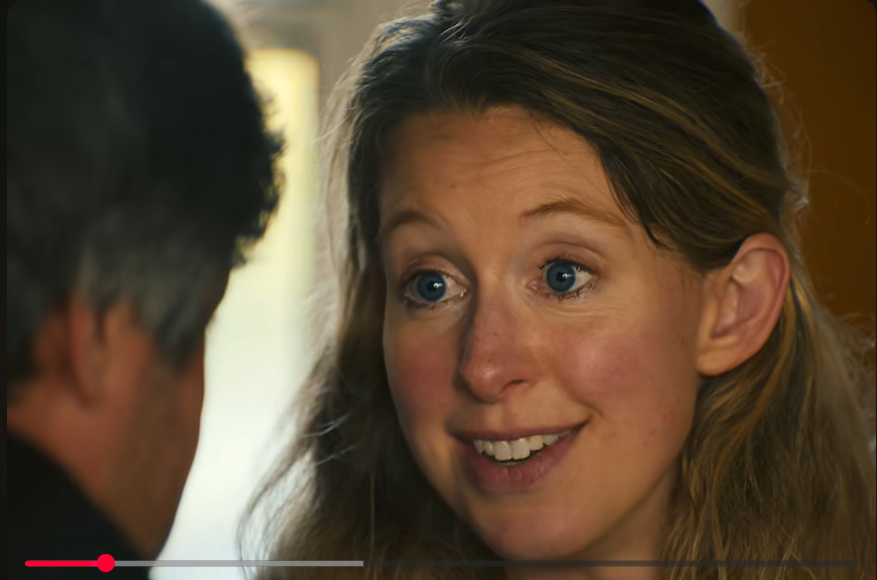
You Can See Everything is a 2026 documentary about Elizabeth Holmes, the former CEO of Theranos. The film takes viewers inside her life shortly before she began serving a prison sentence following her conviction on fraud-related charges.
Directed by Nathan Fielder and Lance Oppenheim, the documentary starts with an unusual situation. Just 34 days before going to prison, Holmes agrees to let a film crew document her life. What begins as a close look at her daily routine develops into a much longer and more complex filmmaking project.
Rather than telling a standard story about a business scandal, You Can See Everything explores questions about trust, public image, and how people understand the truth. It also asks viewers to think carefully about what a camera can reveal—and what it may leave unanswered.

The film arrived in US theaters on October 16, 2026, and has attracted attention for its unusual approach to documentary filmmaking.
You Can See Everything Release Date in the US and UK
The release date is one of the main details people want to know before watching the film.
Here is the latest release information available as of October 17, 2026.
| Detail | Information |
|---|---|
| Film title | You Can See Everything |
| Release year | 2026 |
| US theatrical release | October 16, 2026 |
| Reported UK cinema release | November 20, 2026 |
| Directors | Nathan Fielder and Lance Oppenheim |
| Genre | Documentary |
| Runtime | About 2 hours and 54 minutes |
| Streaming release | Not yet announced |
The film is already showing in US theaters. In the UK, cinema listings have advertised a November 20 release, although showtimes may vary by location.
If you are planning to watch You Can See Everything in the United Kingdom, check your local cinema’s schedule closer to the date. Release plans and individual screenings can change.
Who Is Elizabeth Holmes?
Elizabeth Holmes became widely known as the founder of Theranos, a health technology company that promised to make blood testing faster and easier. The company attracted major investment and received significant media attention.
Theranos later faced serious questions about its technology and business claims. Holmes was convicted on fraud-related charges connected to investors in 2022 and was sentenced to prison.
Her story became a major example of the risks that can arise when business promises, public image, and scientific claims are not supported by reliable evidence.
For readers who want more background, see our guide to Who Is Elizabeth Holmes?.
That background helps explain why You Can See Everything has drawn attention. However, the documentary is not simply a summary of the Theranos scandal. It focuses on Holmes as a person and examines how a film crew’s access to her changes the story being told.
Who Directed You Can See Everything?
The documentary was directed by Nathan Fielder and Lance Oppenheim.
Nathan Fielder is known for projects that mix comedy, carefully planned situations, and questions about human behavior. His work often makes viewers consider whether they are watching a natural event, a performance, or something in between.
Lance Oppenheim is a documentary filmmaker known for exploring unusual people and communities. His work often focuses on the difference between how people present themselves and what their lives may reveal.
Their different approaches help shape the film’s style. Instead of relying only on interviews and background information, You Can See Everything places the filmmaking process itself close to the center of the story.
This approach makes the documentary different from a traditional business biography or crime documentary.
What Makes the Documentary Different?
The most unusual part of You Can See Everything is how its story develops over time.
The project begins with access to Holmes during the weeks before prison. According to the film’s official description, what starts as an intimate portrait becomes a three-year journey.
That extended process gives the filmmakers room to examine more than the original subject of the investigation. It also raises questions about the people recording events, the people being filmed, and the way an audience interprets what it sees.
1. Unusual access to Elizabeth Holmes
The documentary follows Holmes during a major turning point in her life. This access gives viewers a closer look at how she presents herself outside the courtroom and in her personal surroundings.
However, access does not automatically mean that every statement is true or that the audience can know exactly what a person is thinking.
2. A story that changes direction
The film does not stay within the limits of a conventional documentary. Its longer production journey leads it into unexpected territory, making the filmmaking process part of the story.
This structure may appeal to viewers who enjoy documentaries that challenge familiar storytelling methods.
3. Questions about truth and public image
Holmes’s public image has been discussed for years. The documentary adds another perspective, but it does not remove every question surrounding her story.
Instead, it encourages viewers to consider how much they can learn from watching someone closely—and where their own assumptions may affect what they believe.
You Can See Everything Reviews: What Are Critics Saying?
Reviews began appearing around the film’s festival screenings and theatrical release. Several critics have praised its unusual structure and the way it challenges traditional documentary storytelling.
The Associated Press described the film as a distinctive, thought-provoking look at Holmes, while other reviews have focused on its strange turns and its questions about truth and perception.
The response suggests that You Can See Everything is not a straightforward documentary that simply presents events in order and leaves viewers with an easy conclusion.
Its approach may work especially well for people who enjoy investigative documentaries, character studies, and films that make audiences question what they have seen.
Still, its nearly three-hour runtime is worth considering. Viewers looking for a short introduction to the Theranos scandal may prefer a shorter overview first. Those interested in a more detailed and experimental film may be more comfortable with its length.
Reviews are subjective, so it is useful to read more than one opinion before deciding whether the documentary suits your interests.
How Long Is You Can See Everything?
You Can See Everything runs for approximately 2 hours and 54 minutes.
That makes it a long documentary, especially for viewers who usually watch shorter streaming programs. The runtime gives the filmmakers room to explore Holmes’s personal world and the unusual direction the project takes.
If you plan to see it in a cinema, allow enough time for the full screening. The film’s slow-building and unconventional approach may also require more attention than a typical news report or documentary recap.
Is You Can See Everything Available on Streaming?
As of October 17, 2026, a streaming release date has not been announced.
The film’s confirmed release is theatrical, meaning US audiences can look for cinema screenings. UK viewers should check local listings for the advertised November release.
It is too early to give a confirmed streaming date or promise that the documentary will be available on a particular service. Distribution plans can change, and a theatrical release does not mean that a film will arrive on streaming immediately.
If you prefer to watch at home, check for official announcements rather than relying on unconfirmed dates or posts on social media.
Where Can You Watch the You Can See Everything Trailer?
A trailer for You Can See Everything has been released. It offers a preview of the documentary’s central subject and its unusual tone without explaining every development in the film.
Watching the trailer can help you decide whether the documentary is right for you before committing to a screening that lasts almost three hours.
For the most reliable trailer information, look for the film’s official promotional material. Be cautious of videos that claim to reveal the complete documentary or offer an unofficial full-film upload.
Is You Can See Everything Worth Watching?
Whether You Can See Everything is worth watching depends on what you want from a documentary.
It may appeal to viewers who are interested in Elizabeth Holmes, the Theranos scandal, business ethics, or the way public figures build and maintain their image. It may also interest people who enjoy films that experiment with the line between documentary and performance.
The film’s unusual approach is a major part of its appeal, but it may not suit everyone. Its lengthy runtime and complex structure could be less appealing to viewers who want a quick, factual timeline of the Theranos case.
One important point is that a documentary offers a perspective on real events; it should not automatically be treated as the final word on every question surrounding its subject. Viewers can compare its presentation with established reporting and court findings when they want a fuller understanding.
Final Thoughts
You Can See Everything brings a new documentary perspective to the story of Elizabeth Holmes and Theranos. By beginning with Holmes’s final weeks before prison and following a filmmaking process that develops over three years, the movie takes a less conventional route than a typical business documentary.
The film opened in US theaters on October 16, 2026. UK cinema listings have advertised November 20, 2026, while a streaming release date has not yet been confirmed.
For viewers interested in real-life business scandals, public image, and the challenges of understanding another person’s motives, You Can See Everything offers a subject worth exploring. Its unusual style may not be for everyone, but it gives audiences plenty to consider after the screening ends.