
Yorkshire Wildlife Park: Animals, Tickets, Attractions, and Visitor Tips
Description
Yorkshire Wildlife Park is a wildlife attraction in Auckley, near Doncaster, South Yorkshire, England. It offers visitors the opportunity to discover animals from around the world, explore themed habitats, and learn about wildlife conservation.
Whether you are planning a family day out or visiting with friends, a little preparation can make your experience more enjoyable. Knowing which animals you might see, how tickets work, and what facilities are available can help you organize your day.
This guide covers the park’s animal highlights, attractions, ticket prices, transport options, accessibility information, and practical visitor tips.
Also, now the current news is Eagles vs. Jaguars
What Is Yorkshire Wildlife Park?
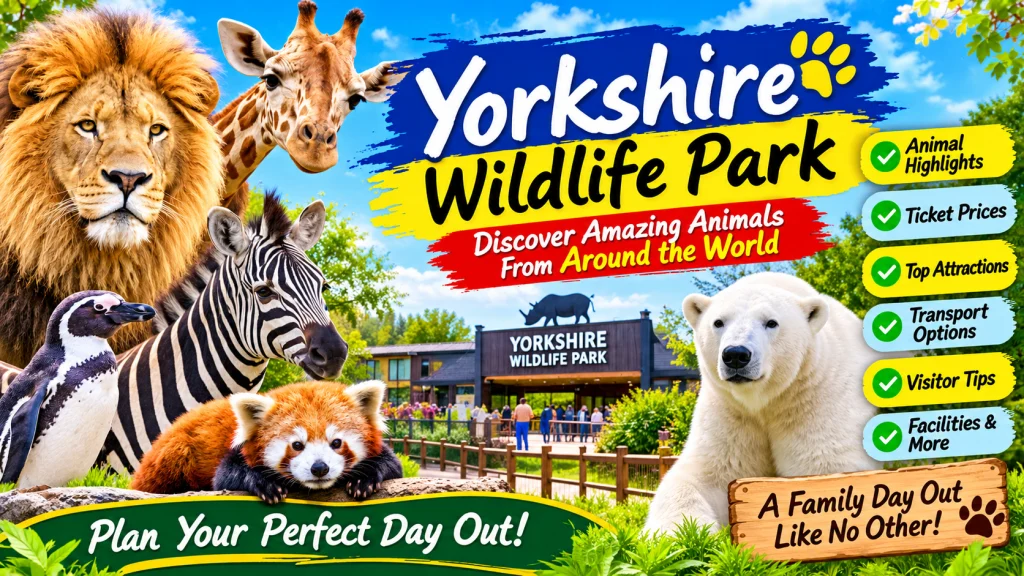
Yorkshire Wildlife Park opened in April 2009 and has become a popular destination for families, animal lovers, and wildlife enthusiasts.
Located near Doncaster, the park features animal habitats, walking routes, educational displays, ranger talks, and family-friendly attractions. Visitors can explore different areas at their own pace while learning about animal behavior and natural environments.
Unlike a traditional theme park, the main experience centers on observing wildlife rather than riding attractions. You can take photographs where permitted, read educational displays, and spend time watching animals in their habitats.
Conservation education is also an important part of the visitor experience, helping people understand the threats facing endangered species and their environments.
Animals You Can See at Yorkshire Wildlife Park
The animal collection is one of the main reasons people visit Yorkshire Wildlife Park. It has featured species from several continents, although the animals available to see and the viewing conditions can vary.
Polar Bears
Polar bears are among the park’s best-known animals. Their thick fur, powerful bodies, and swimming abilities make them fascinating to observe.
In the wild, polar bears depend heavily on sea ice for hunting seals and accessing food. Climate change and declining sea ice present serious challenges for their survival.
Educational displays can help visitors understand these threats and the importance of protecting Arctic ecosystems.
Lions, giraffes, and zebras
African wildlife is another highlight of the park. Visitors may encounter lions, giraffes, zebras, and other species in dedicated habitats.
Lions are powerful predators with complex social behavior. Giraffes use their long necks to reach leaves high in trees, while zebras live in social groups and have distinctive striped coats.
Take time to observe animals quietly. You may notice feeding behavior, movement, and interactions that are easy to miss when walking quickly through an area.
Amur Tigers
Amur tigers are large cats native to parts of eastern Russia and neighbouring regions of Asia. Their striped coats help them blend into forest environments, while their strength and hunting abilities make them highly specialized predators.
Visitors should always follow staff instructions, remain behind designated barriers, and avoid disturbing animals.
Because of the reported incident on 10 October 2026, check official visitor announcements for the latest information about opening arrangements and access to relevant areas. Do not assume that individual attractions are operating normally.
Lemurs and Wallabies
The park has featured themed experiences such as Lemur Woods and Wallaby Walkabout, alongside the Amazonas Interactive Reserve.
These experiences introduce visitors to selected animals and their environments. However, animals may rest away from viewing areas, so sightings cannot be guaranteed.
Check the park’s current animal directory before travelling if you particularly want to see a specific species.
Attractions Beyond the Animals
Yorkshire Wildlife Park has also offered attractions and activities designed to make a visit more varied, especially for families with children.
Pangea Dinosaur Attraction
Pangea features dinosaur-themed displays and experiences for visitors interested in prehistoric animals.
It can provide an enjoyable change of pace between wildlife habitats and may be particularly appealing to younger visitors.
Check the current visitor information to confirm its availability, opening arrangements, and any additional charges.
Ranger Talks and Educational Activities
Ranger talks provide information about animal behavior, habitats, feeding patterns, and conservation challenges.
Look at the daily schedule when you arrive, if available, and plan your route around the sessions that interest you. Allow enough time for independent exploration as well.
Children’s Play Areas
Play areas give children a chance to take a break from walking and animal observation. The park has advertised indoor and outdoor play facilities, although availability can change.
Check which facilities are operating and whether any activities have age restrictions or other access requirements.
The Yorkshire Hive
The Yorkshire Hive is located beside the wildlife park entrance and offers additional dining, shopping, and entertainment options.
If you plan to visit, confirm opening hours and whether individual experiences require separate tickets or payments.
Yorkshire Wildlife Park Ticket Prices
Ticket prices can vary according to the date, visitor category, season, and booking method. Advance online booking may sometimes provide better prices than purchasing admission on arrival.
The following figures are examples of published summer 2026 online prices, not confirmed prices for October 2026 or future seasons.
| Ticket category | Example summer 2026 price |
|---|---|
| Adult, off-peak weekday | £27.99 |
| Adult, off-peak weekend | £28.99 |
| Adult, peak day | £29.99 |
| Child aged 3–15, off-peak weekday | £23.99 |
| Child aged 3–15, peak day | £25.99 |
| Infant aged 0–12 months | Free |
For current prices, availability, and booking conditions, visit the official Yorkshire Wildlife Park admission page.
How to Save Money on Tickets
A few simple steps can help you manage your visit budget:
- Compare admission prices for different dates.
- Check the official website for advance-booking offers.
- Review eligibility requirements for concessionary tickets.
- Check whether special events require separate admission.
- Include transport, parking, meals, and souvenirs in your budget.
Always check the final price and booking conditions before making a purchase.
Best Time to Visit Yorkshire Wildlife Park
The best time to visit depends on the weather, your budget, and the experiences you want to enjoy.
Spring: Spring can offer comfortable walking conditions, although showers and changing temperatures are possible.
Summer: Longer daylight hours can make summer suitable for a full-day visit. Weekends and school holidays may be busier.
Autumn: Autumn can be pleasant for outdoor exploration, but visitors should prepare for cooler temperatures and rain.
Winter: Opening hours and available attractions may differ during the winter season. Check the official calendar before planning your trip.
Before travelling, review the weather forecast, opening hours, and visitor notices. Some attractions may close earlier than the main park.
For October 2026, confirming the park’s current operating status should be your first priority.
How Long Should You Spend at Yorkshire Wildlife Park?
Many visitors benefit from setting aside most of a day to explore the animal habitats and additional attractions.
Families with younger children may need extra rest stops, while wildlife enthusiasts might prefer to spend longer observing particular animals.
Use this suggested schedule as a planning guide.
| Activity | Suggested time |
|---|---|
| Arrival and route planning | 15–20 minutes |
| Main animal habitats | 2–3 hours |
| Ranger talks. | Check the daily schedule. |
| Meals and rest breaks | 45–60 minutes |
| Play areas and additional attractions | 45–90 minutes |
These timings are estimates rather than official recommendations. Your visit may take more or less time depending on walking speed, queues, weather, and animal activity.
If you want to explore without rushing, leave enough time for breaks and unexpected discoveries.
How to Get to Yorkshire Wildlife Park
Yorkshire Wildlife Park is situated in Auckley, near Doncaster in South Yorkshire.
Travelling by Car
If you are driving, check the official directions before leaving. Allow additional time during busy periods and review current parking information.
The official visitor planning guide provides information to help you prepare for your journey.
Travelling by Public Transport
Visitors using public transport should check current train and bus services to Doncaster and the available onward connections to the park.
Depending on your route, you may need a connecting bus, taxi, or other local transport. Timetables can change, so confirm your journey with the relevant transport provider.
It is also sensible to plan your return journey before leaving home.
Is Yorkshire Wildlife Park Suitable for Families?
The park offers animal habitats, educational activities, play facilities, and places to eat. These options can make it appealing to families looking for an outdoor day out.
To make your visit more comfortable:
- Wear comfortable walking shoes.
- Bring clothing suitable for changing weather.
- Check toilet and baby-changing facilities.
- Plan regular breaks for younger children.
- Keep children close and follow staff instructions.
- Confirm attraction availability before departure.
Visitors with accessibility requirements should review the park’s official accessibility information. Contact Guest Services if you need specific details about walking routes, facilities, or assistance.
Check the availability of pushchair or wheelchair hire in advance rather than assuming these services will be available on your chosen date.
What Should You Bring?
Packing a few essentials can make your day easier.
Consider bringing:
- Comfortable walking shoes.
- A waterproof jacket and weather-appropriate clothing.
- Sun protection during warmer weather.
- A phone or camera for photographs where permitted.
- Drinking water and necessary medication.
- A small bag for personal essentials.
Read the visitor rules before bringing food, equipment, or other items.
You may also wish to check whether the official park app is currently available and updated. The park has advertised features such as an interactive map, audio safari, day planner, and ranger-talk information.
These tools may help you plan your route and identify the experiences you want to prioritise.
Why Conservation Matters
Conservation education helps visitors understand the challenges facing wildlife and the importance of protecting natural habitats.
Animals such as polar bears and tigers face different threats in the wild. These may include climate change, habitat loss, illegal wildlife trade, and declining prey populations.
Educational displays and talks can introduce visitors to these issues and explain why biodiversity and responsible wildlife management matter.
You can also support conservation by learning about threatened species, protecting natural environments, avoiding products associated with illegal wildlife trade, and supporting reputable conservation organisations.
A meaningful wildlife experience should encourage visitors to think beyond photographs and understand the importance of long-term animal and habitat protection.
Frequently Asked Questions
Where is Yorkshire Wildlife Park?
Yorkshire Wildlife Park is located in Auckley, near Doncaster, South Yorkshire, England. Check the official directions page before travelling.
How much are Yorkshire Wildlife Park tickets?
Ticket prices depend on the date, visitor category, and booking method. The summer 2026 prices in this guide are historical examples. Check the official admission page for current rates.
Which animals can you see at Yorkshire Wildlife Park?
The park has featured polar bears, lions, giraffes, zebras, Amur tigers, lemurs, and wallabies. Animal availability and viewing opportunities can change.
Is Yorkshire Wildlife Park suitable for children?
The park has offered animal habitats, ranger talks, play areas, and dinosaur-themed experiences. Check current arrangements to confirm which activities are available.
How long does a visit take?
Allow most of a day if you want to explore the main animal areas and additional attractions. Your visit may be shorter or longer depending on your interests and pace.
Can you visit Yorkshire Wildlife Park in winter?
Seasonal opening arrangements may vary. Check the official calendar for opening hours and attraction availability.
Are dogs allowed at Yorkshire Wildlife Park?
Check the park’s current animal and visitor policies before bringing a dog. Assistance-dog arrangements may differ from general pet rules.
Is parking available?
Consult the official visitor information for current parking arrangements, conditions, and any applicable charges.
Is Yorkshire Wildlife Park accessible?
Review the park’s official accessibility information and contact Guest Services if you require details about specific facilities or assistance.
Was Yorkshire Wildlife Park closed on 11 October 2026?
The park announced a closure for Sunday, 11 October 2026, following the fatal incident at a tiger enclosure on 10 October. Check the official opening-times page for subsequent announcements and current operating information.
Final Thoughts
Yorkshire Wildlife Park offers opportunities to discover wildlife, learn about conservation, and enjoy family-friendly attractions. Its animal habitats and educational activities can make it a worthwhile destination for visitors interested in the natural world.
Good preparation makes a difference. Check ticket prices, opening times, transport options, accessibility information, and attraction availability before travelling.
Most importantly, verify the latest official visitor notices before setting off. The park announced a temporary closure following the incident on 10 October 2026, so do not rely on an older article for current opening information.
Planning ahead can help you make the most of your visit while ensuring that your travel arrangements are based on reliable, up-to-date information.