
Art of Play Brooklyn: Magic Shop and Hidden Theater
Description
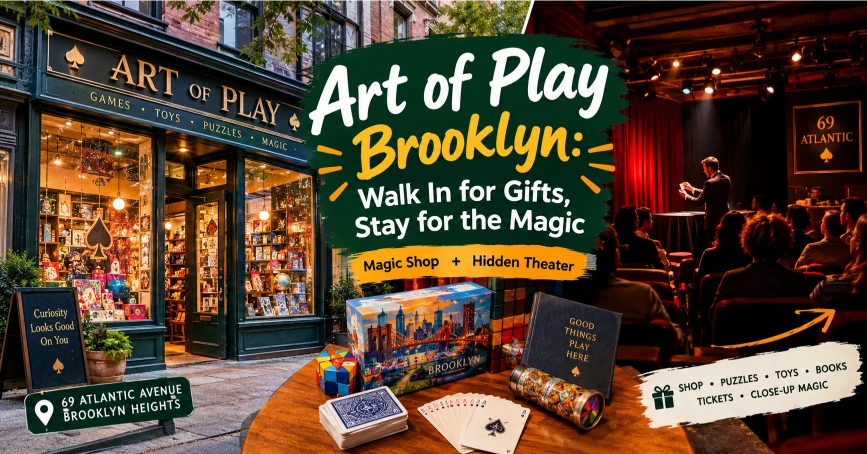
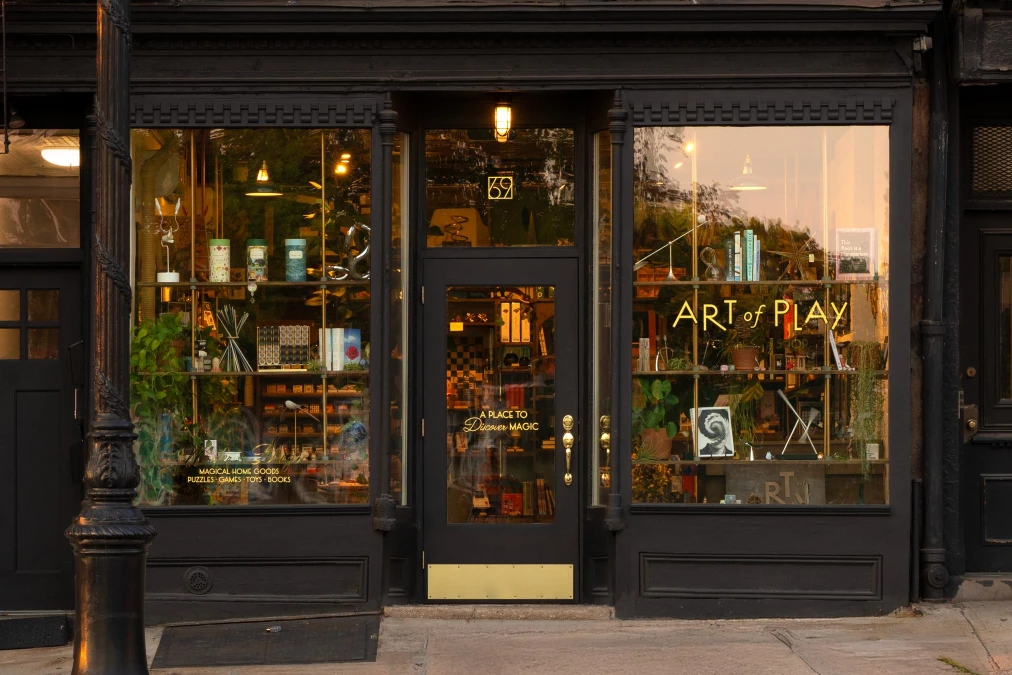
It is a Friday evening in Brooklyn Heights. You are walking down Atlantic Avenue, hungry and slightly lost. A glowing shopfront catches your eye. The window holds puzzles, playing cards and odd little treasures. You step in for “just a minute.”
Two hours later, you are holding a jigsaw you did not plan to buy. You are also trying to book a magic show you did not know existed.
Sound familiar? It should, because this is how most people meet Art of Play Brooklyn. Nobody arrives with a plan. They arrive curious.
I write about places that reward curiosity. This one is rare. It is a shop, a gift stop and a secret theater under one roof. Most guides miss half of that. This one covers all of it.
What You Will Learn in This Guide
You will learn what Art of Play Brooklyn is and who built it. You will see how the hidden theater works, what tickets cost and how to actually get a seat. You will also get a gift guide, a simple route for your visit and honest limits on what the shop is not.
One warning first. Details like seat counts and prices vary between sources. I flag every mismatch so you can plan with confidence.
What Is Art of Play Brooklyn?
Art of Play Brooklyn is a curiosity shop at 69 Atlantic Avenue in Brooklyn Heights. It sells puzzles, games, toys, books and magical home goods. Behind the shop sits a small hidden theater for close-up magic. The shop and the theater run as one experience under the Art of Play name.
The store sits at the start of Atlantic Avenue near Brooklyn Bridge Park, and it has been called one of the most beautiful shops in New York City. That praise is fair. The space feels designed rather than stocked.
The team opened in October 2024 and restored the building facade with approval from the Landmarks Preservation Commission. That detail matters. These owners care about the building, not just the inventory.
Think of it as a modern Willy Wonka candy store for adults. Owner Adam Rubin has compared his dream of a physical store to the candy shop in Willy Wonka and the wand shop in Harry Potter.
[Internal link: Brooklyn Heights neighborhood guide]
Who Is Behind Art of Play Brooklyn?
Art of Play was founded by identical twins Dan and Dave Buck. They began as playing card designers and cardistry pioneers. The Brooklyn shop came later, with Adam Rubin as owner. Together they turned a card brand into a physical home for magic and play.
The Buck twins founded Art of Play in 2013 after becoming successful producers of designer playing cards. The company started in San Diego before landing in Brooklyn.
Cardistry is the art of card flourishes. Think of it as juggling with a deck. It is visual and quiet and surprisingly hard.
Their catalog changes often, with an average of around twenty new card designs each year, many of them limited editions. That pace keeps collectors checking back.
My opinion? Brands that start online and then open a real store tend to do it better. They already know their audience. Art of Play knew exactly who would walk through that door.
Also read over the latest articles
“https://skzyshu.com/barcelona-vs-getafe/“
“https://skzyshu.com/texas-vs-oklahoma/“
“https://skzyshu.com/cash-app-investing-data-leak-lawsuit/“
Is the Shop Really Just for Magicians?
No. You do not need any magic interest to enjoy the shop. It sells puzzles, kaleidoscopes, toys, books and home goods. Most items are simple objects with no trick inside. You can shop here purely for gifts or for a treat for yourself.
This is the surprise. A “magic shop” sounds like fake coins and rubber thumbs. This is the opposite.
Rubin points out that nothing in the shop has a trick. The wonder comes from design, not gimmicks.
Stock includes kaleidoscopes, playing cards and bespoke jigsaw puzzles. You will also find optical illusions and conversation pieces.
Who Should Shop Here?
- Gift hunters stuck on a person who “has everything”
- Puzzle fans who want something beyond the big box brands
- Parents of curious older kids
- Anyone building a home that feels playful
What Is 69 Atlantic, the Hidden Theater?
69 Atlantic is a small theater hidden behind the shop. It hosts close-up magic and sleight of hand. Performers rotate often, and many travel from abroad. Seating is tiny, so every seat feels close to the action. Think of it as magic at arm’s length.
The theater is tucked behind the shop and designed specifically for sleight of hand magic. The venue describes itself as the new home for close-up magic in Brooklyn, with a different artist from abroad each weekend.
Here is why intimacy matters. Big stage magic hides behind distance and lighting. Close-up magic has nowhere to hide. You watch hands, cards and coins from a few feet away.
Even David Blaine has vouched for how mind-blowing the shows are.
Beyond magic, the space also hosts a monthly speaker series for poets, designers and other creatives.
How Many Seats and How Much Do Tickets Cost?
Seating is very small, and sources disagree on the exact number. Reports range from 18 to about 30 seats. Ticket prices also vary by performer and source. Check the official ticket page before you budget, because shows sell out weeks ahead.
Let me lay out the mismatch honestly, because this is where many blogs go wrong.
- The Brooklyn Paper reported 18 guests per show with tickets starting at $75.
- Time Out lists roughly two dozen spectators and a price range of $125 to $200.
- Art of Play’s own site describes a 26-seat theatre.
Why the gap? Prices likely changed after launch. Seating may have been reconfigured. Residencies and special events also set their own prices.
My advice is simple. Treat the official site as the truth. Treat everything else as a rough guide.
How Do You Get a Seat?
Tickets sell out weeks in advance, so plan ahead. The venue sells tickets online and also in person through Ticket Tailor, even for walk-ins from the street.
Here is my short routine:
- Check the 69 Atlantic schedule for performers.
- Pick a weekend at least three to four weeks out.
- Book the early show so dinner comes after.
- Join the mailing list for early access.
Shows at the venue are 21 and over. Leave the kids at home for the theater, though the shop welcomes everyone.
What Makes Close-Up Magic Different From a Magic Show?
Close-up magic uses small objects like cards and coins, performed inches from the audience. Skill replaces spectacle. There are no trapdoors or smoke. You see the method fail to appear, which is why it feels impossible and personal.
Here is a contrarian view. Close-up magic is the better date night than a Broadway show. It is cheaper than many premium tickets. It is shorter. And you leave with a story, not just a memory of costumes.
A past residency at the venue featured Asi Wind, whose card work followed sold-out runs at the Sydney Opera House and London’s West End. That level of talent in a room this small is unusual.
Is it perfect? No. A tiny room means a tiny margin. If the performer is not your style, you cannot slip out quietly.
How Do You Plan a Perfect Visit?
Arrive early to browse the shop. Book an early show, then eat nearby. Take the 2, 3, 4 or 5 to Borough Hall or the N, R or W to Court Street. Finish with a walk to Brooklyn Bridge Park, which sits close by.
The address is 69 Atlantic Avenue at Hicks Street. The nearest subway lines are the 2, 3, 4 and 5 to Borough Hall and the N, R and W to Court Street.
A Simple Evening Route
- Early arrival: Browse the shop for 45 minutes. Do not rush it.
- Showtime: Settle in ten minutes early.
- After the show: Walk the neighborhood.
- Neighbors along the block include Montero and Long Island Bar, known for their neon signage.
Seasonal Timing
Winter is cozy and the shop doubles as a warm refuge. Summer pairs well with a stroll to the waterfront. Holiday season is gift heaven, but expect crowds.
Is Art of Play Brooklyn Worth It? My Honest Take
Yes, if you like thoughtful objects or live magic. Skip it if you want cheap souvenirs or loud entertainment. The shop is curated, so prices reflect that. The theater is a premium experience, not a casual drop in.
Pros first. The design is lovely. The stock is unusual. The theater offers something almost nowhere else in New York.
Now the cons. Prices run higher than mass retail. The theater requires planning. Details shift, so check before you go.
My verdict is simple. Visit the shop even if magic is not your thing. Book the theater if you want a night people will ask you about.
FAQ
Where is Art of Play Brooklyn located?
It sits at 69 Atlantic Avenue in Brooklyn Heights, at Hicks Street. The shop is close to Brooklyn Bridge Park and several subway lines. Walking from Borough Hall takes only a few minutes.
Do I need tickets to enter the shop?
No. Tickets are only for the theater. The shop is open for browsing, though you should confirm hours on the official site before visiting.
Is 69 Atlantic suitable for kids?
The shows are 21 and over, so kids cannot attend them. The shop itself is a fine stop for families with curious older children.
How early should I book a magic show?
Plan three to four weeks ahead. Shows often sell out well in advance, so earlier is safer.
How much do tickets cost?
Reports vary from about $75 to $200, depending on source and performer. Check the official ticket page for the current price.
Who owns Art of Play?
Dan and Dave Buck founded the brand in 2013. Adam Rubin is named as the owner of the Brooklyn store.
Are the products in the shop actually magic tricks?
Mostly no. The owner says nothing in the curiosity shop has a trick. Expect puzzles, games, books and home goods.
What is cardistry?
It is the art of performing flourishes with playing cards. The Buck twins helped popularize it.
Is it worth visiting if I do not like magic?
Yes. The shop works as a gift stop and a design lover’s browse. The theater is optional.
What is nearby?
Brooklyn Bridge Park, plus neon-lit neighbors like Montero and Long Island Bar. It is a good block to wander.
Final Thoughts: Art of Play Brooklyn
Remember that Friday evening on Atlantic Avenue? The glowing window, the unplanned jigsaw? That small detour is the whole point of Art of Play Brooklyn.
Start with the shop. Add a show if you can plan ahead. Check details before you go, since seats and prices vary by source.
My prediction is simple. Hidden venues like this will keep growing as people crave real experiences over screens. Book early, because the secret is already out.
What is the strangest object you ever found in a tiny shop? Tell me in the comments.