
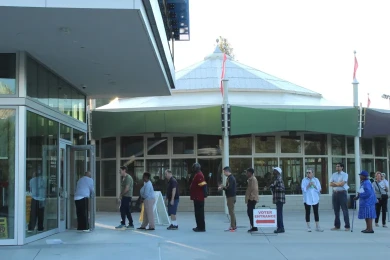
Early Voting 2026: Dates, Locations, Rules, and How to Vote Early
Early voting gives eligible voters the opportunity to cast their ballots before Election Day. This option can make voting more convenient for people with busy schedules, work commitments, family responsibilities, or other reasons for voting ahead of time.
In the United States, rules differ by state and locality. Some jurisdictions provide several days or weeks for in-person voting, while others have different arrangements and deadlines. Knowing when it begins, where to vote, and what documents may be required can help you prepare.
This guide explains how early voting works, how to find voting locations, who may qualify, and what to know about the 2026 U.S. midterm elections.
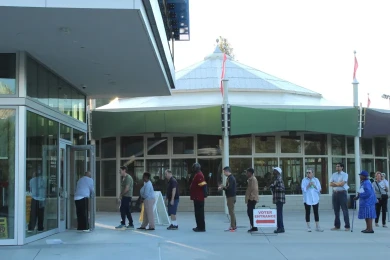
What Is Early Voting?
Early voting is a process that allows eligible voters to cast their ballots before the official Election Day. Rather than waiting until the final day, voters can participate during a designated period established by the relevant election authority.
In the United States, the term usually refers to voting in person before Election Day. Depending on local laws, voters may also have access to absentee voting or mail-in ballots. Although these methods can serve similar purposes, their requirements and procedures are not always the same.
Early voting can be useful for people who cannot easily visit a polling place on Election Day. It also gives voters more time to plan their trip, check their registration, and review the candidates or measures appearing on the ballot.
However, is not organised identically across the country. Each jurisdiction determines the applicable dates, locations, and procedures under its election laws.
How Does Early Voting Work?
The process depends on where you live, but preparing to vote early generally involves a few important steps.
1. Check Your Voter Registration
Start by confirming that you meet the eligibility requirements for the election and that your voter registration is current.
In the United States, voters generally must satisfy applicable citizenship, age, residency, and registration requirements. Specific rules can vary by state, including provisions for registration deadlines and certain exceptions.
If you have recently moved or changed your personal information, check whether you need to update your registration before voting.
Find the early voting schedule.
Early voting dates vary across states and local jurisdictions. There is no single nationwide opening date that applies to every election.
Visit your official state or local election website to check when early voting begins, when it ends, and which hours voting centres will operate.
Remember that voter registration deadlines and mail-ballot deadlines may differ from the early voting schedule.
Choose an authorised voting location
Find an official early voting centre before leaving home. Some jurisdictions let voters use multiple voting centres, while others have location restrictions.
Check the address and confirm that the centre is open for early voting on your intended date. A polling place used on Election Day may not necessarily offer the same services beforehand.
Review Identification Requirements
Identification rules differ by jurisdiction. Some states require particular identification documents, while others use alternative procedures to verify voters.
Check your local requirements before visiting a voting center. If you are uncertain about which documents are accepted, contact the election office for guidance.
Cast Your Ballot
When you arrive, follow the instructions provided by election officials. Complete the check-in process, review your ballot, and follow the directions for marking and submitting it.
If you need assistance or encounter a problem, ask an election worker about the options available under local election rules.
Early Voting Dates in 2026: When Does Early Voting Start?
One of the most frequently asked questions is when begins.
The answer depends on the election and the location. Each state or local election authority follows its own schedule, so voters should verify dates rather than rely on a general nationwide calendar.
The 2026 U.S. midterm general election is scheduled for Tuesday, November 3, 2026. Early voting dates leading up to Election Day vary by state and, in some cases, by county or municipality.
To find the correct schedule:
- Visit USAGov’s official voting information.
- Select your state or follow the link to its election authority.
- Look for the early voting calendar for the relevant election.
- Confirm the voting centre’s address and opening hours.
- Review registration, identification, and ballot requirements.
Do not assume that early voting starts on the same date everywhere. Also, distinguish the early voting period from the deadline to register, request a mail ballot, or return a completed ballot.
How to Find Early Voting Locations Near You
If you search online for early voting near me, make sure the information comes from an official election authority.
Your state or local election office is generally the most reliable place to confirm which voting centers are available and whether you can use them.
Before visiting a location, check:
- The complete street address.
- The dates and hours of operation.
- Whether the center serves your voting district.
- Any identification or documentation requirements.
- Available accessibility services.
- Notices about schedule changes or temporary closures.
Online listings and older election guides may contain outdated information. Confirm the details through the official website before travelling.
Useful starting points include USAGov’s guide to voting and Vote.gov.
Who Can Vote Early?
Eligibility for early voting depends on the laws governing the relevant election.
In the United States, voters generally need to meet the applicable requirements for voting in that election. These may include citizenship, minimum age, residency, and registration rules.
Being eligible to vote does not automatically mean that every voting method is available under identical conditions. For example, in-person early voting and absentee voting may have different procedures.
Before making plans, confirm:
- Whether you are registered to vote.
- Whether your registration details are correct.
- Whether in-person early voting is available in your jurisdiction.
- Whether you must use a designated voting centre.
- Whether identification or other documents are required.
For additional information, consult USAGov’s voter eligibility guide.
Early Voting vs. Absentee Voting vs. Mail-In Voting
Early voting, absentee voting, and mail-in voting are related concepts, but they do not always mean the same thing.
| Voting method | How it works |
|---|---|
| Early voting | Allows eligible voters to cast a ballot before Election Day, commonly in person. |
| Absentee voting | Provides a process for casting a ballot outside the usual in-person voting procedure; eligibility rules vary. |
| Mail-in voting | Allows a ballot to be delivered or returned through an authorized mail-based process. |
The terminology differs between election authorities. In some places, absentee ballots are available only under certain conditions, while other jurisdictions offer broader access to voting by mail.
Early in-person voting may be available without requiring a specific excuse, depending on state law.
Before choosing a voting method, check the application process, deadlines, eligibility requirements, and instructions issued by your election authority.
Benefits of Early Voting
Early voting offers several practical advantages for eligible voters.
More Flexible Scheduling
Voters can choose an available day before Election Day, making it easier to fit voting around work, education, and family responsibilities.
Additional Opportunities to Participate
A longer voting period can help people who have difficulty attending a polling place on one particular day.
Better Preparation
Planning ahead gives voters time to check registration details, locate their voting center, and review ballot information.
An Alternative to Election Day Voting
Early voting provides another option for people who prefer to vote before the final day of the election.
However, early voting is not always faster or less crowded. Waiting times depend on the location, the time of day, and how many people are voting.
Limitations and Rules to Keep in Mind
Although early voting can be convenient, there are several factors voters should consider.